Find a venue in Barcelona for your Party
Location
Type of event
Type of venue
Date
Guests
Accommodation
If you are looking for a space to host a party in Barcelona, the venue's licence and closing time determine the shortlist before any other criterion. Industrial spaces in Poblenou and clubs available for private hire are licensed for amplified music into the early hours; rooftops and terraces in residential districts are frequently restricted to eleven. Beach clubs, villas and Modernist venues sit between the two. Capacity, catering and production all follow from that first constraint.
%20(6).webp?w=324&h=315&crop=smart-entropy&q=75)
.webp?w=324&h=315&crop=smart-entropy&q=75)
.webp?w=324&h=315&crop=smart-entropy&q=75)
1 / 6
Types of Party Venue in Barcelona
Industrial Spaces and Warehouses
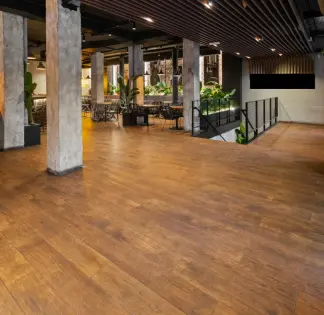
Converted factories in Poblenou and the industrial belt. Volume, height, a proper load-in and, most importantly, no residential neighbours, which is what makes a late finish possible at all. They arrive empty, so sound, lighting, bar and furniture all come in with you, but they impose the fewest limits of any category in the city.
Beach Clubs and Waterfront Venues
Along Barceloneta and the Port Olímpic, several venues are set up for late music and hold licences that most of the city does not. Strongly seasonal, spectacular in summer, and expensive in July and August. Wind off the water is a real factor for anything staged outdoors.
Rooftops and Terraces
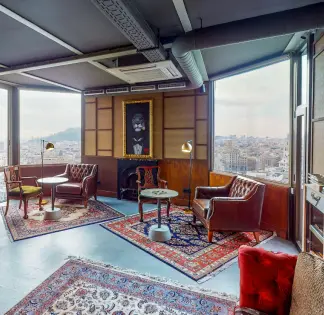
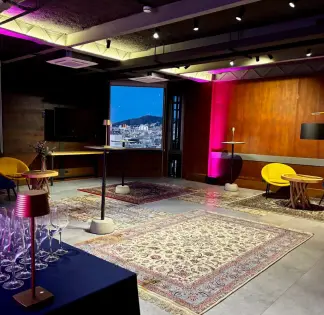
The most requested and the most constrained. A rooftop gives you the skyline and open air, but outdoor music is regulated by hour and volume, and terraces in residential blocks usually have to wind down well before the party would naturally end. Hotel rooftops tend to hold later licences than terraces on apartment buildings.
Clubs and Music Venues for Private Hire
Barcelona's music venues and clubs can often be booked privately, particularly early in the week. They come with the licence, the sound system, the security and the staff already in place, which removes most of the production budget. Less brandable than a blank space, and the aesthetic is fixed.
Villas and Estates
In Sarrià, Pedralbes and the hills, with gardens, pools and privacy. Suited to a summer company party at a scale that feels personal rather than industrial. Check the noise position carefully: these are residential areas, and neighbours are closer than the garden suggests.
Historic and Modernist Venues
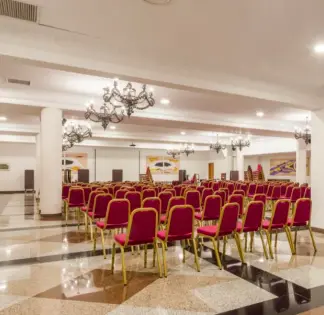
Exceptional settings for a celebration that is more elegant than late. Expect limits on rigging, fixing and volume, and expect an earlier finish than an industrial venue would allow.
How to Choose a Party Venue in Barcelona
The Music Licence and the Closing Time
Establish this before anything else, because it determines whether the venue is viable at all. Barcelona licenses venues by activity, and a space licensed as a restaurant, gallery or event hall is not automatically licensed for amplified music and dancing until late. Ask three specific questions: what time must music stop, what is the decibel limit, and is amplified music treated differently from background music. Get the answers in writing.
A venue that says "we can be flexible" is not the same as one that holds the licence. If the party is the point, start your search from venues that already run late rather than trying to negotiate one into it.
Capacity and Flow
Standing capacity is only useful once you subtract the dancefloor, the bar, the DJ and the cloakroom. Think in zones: somewhere to arrive, somewhere loud, somewhere people can hear each other, and somewhere to smoke if the venue allows it. A party with a single room and one bar peaks early and empties early.
Sound, DJ and Production
Ask whether there is an installed sound system and whether you may bring your own. Some venues require their own technical supplier, which is a cost to know about early. Check power, rigging points, and whether the system has a limiter fitted, since a venue with a fixed decibel cap will cut the volume regardless of what anyone wants at one in the morning.
Bar and Catering
Decide between an open bar, a token system and a cash bar, and confirm whether the venue runs the bar or an external supplier can. Whoever serves alcohol needs the correct licence for that venue. If food is involved, remember that in Barcelona a party that starts late does not need dinner, but it does need something substantial around midnight.
Security, Cloakroom and Staffing
For anything over a hundred guests running late, ask what the venue provides and what you are expected to hire: door staff, cloakroom, toilets attendants, cleaning. Confirm the legal capacity and how it is controlled, since exceeding it is the venue's licence at risk, not just an inconvenience.
Getting Guests Home
The end of the night is a planning question in Barcelona more than in most cities, because the metro timetable varies by day. A central venue near a station transforms this. A villa in the hills or an industrial unit far from a metro means arranging transport or accepting that guests will wait a long time for taxis at three in the morning.
Parties Across Barcelona
Poblenou and the 22@ District
The most permissive part of the city for a late, loud event: industrial buildings, few residents, good access and venues used to production. This is where a party that needs to run past two should be looking. Fifteen to twenty minutes from the centre by metro, and worth checking the last train against your finish time.
Port Olímpic and the Beach
Beach clubs and waterfront venues with late licences and a strong summer season. Busy, expensive in peak months, and the natural choice for a summer company party where the location forms a significant part of the invitation.
Poble Sec and Montjuïc
Music venues, theatres and event spaces on and around the hill, with a mix of licences and generally more tolerance for sound than the residential grid. A good middle ground between the centre and Poblenou.
Eixample and the Centre
Central, easy for guests, and the most restricted on noise. Excellent for an early-evening celebration that finishes at a reasonable hour, difficult for anything that needs to run late outdoors.
The Upper City
Sarrià, Pedralbes and the hills, with villas, gardens and views. Private and attractive, with two constraints: residential neighbours, and distance from public transport at the end of the night.
Planning Notes for Barcelona
Start Later Than You Would at Home
Barcelona runs on later hours than northern Europe. Dinner begins around nine, and a party that opens at eight will stand empty for two hours. For a corporate celebration, a reception from nine with music from eleven matches the city's rhythm; for anything with dancing, expect the room to fill after midnight.
Choose the Night of the Week Carefully
The metro timetable is a genuine planning tool here. Services run until midnight on most weeknights, until two on Fridays and the eves of public holidays, and continuously through the night on Saturdays. A Saturday party solves the transport question entirely; a Thursday one does not. Confirm current timetables before relying on this, but the pattern is worth building the date around.
The City Calendar
Two kinds of date to watch. The city's own festivals — Sant Joan on the night of 23 June, the Festa Major de Gràcia in August, La Mercè in late September — fill venues, streets and taxis, and compete for the same suppliers. And the corporate season: December is the busiest month of the year for company parties, with the best venues taken months ahead. The trade fair weeks between February and April tighten availability again.
Neighbours and Complaints
Barcelona enforces its noise rules, and complaints from residents are the mechanism. A venue that has already had problems with its neighbours will be cautious with you, and a venue in a quiet residential street is a risk regardless of what the contract says. Ask the host directly whether they have had noise complaints and what was agreed with the building. A precise answer is more useful at this stage than a reassuring one.