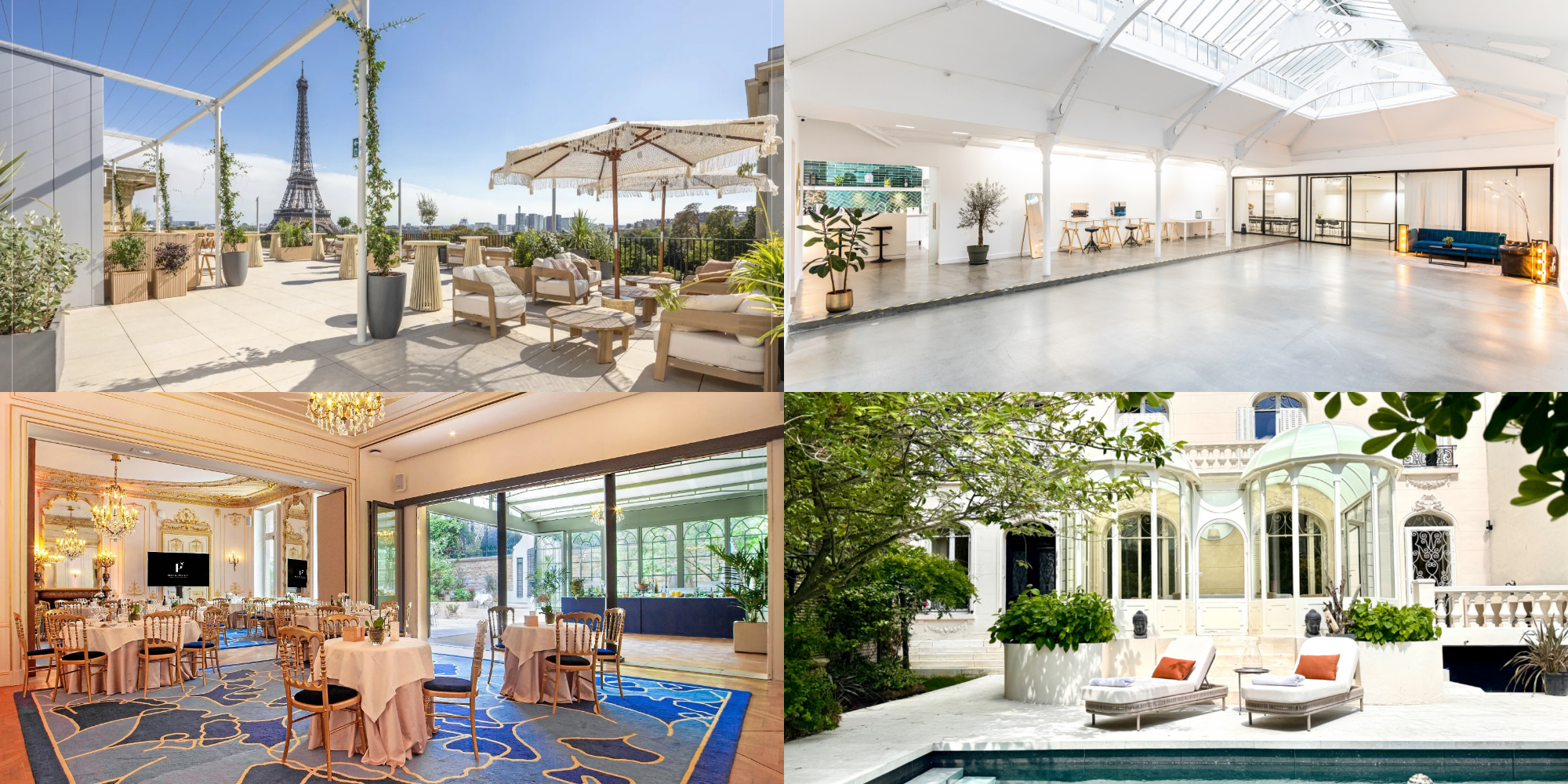
Find a venue for your conference
Location
Type of event
Type of venue
Date
Guests
Accommodation
A conference is one of the most ambitious events a company can run. It gathers a large audience around a shared theme, mixes plenary sessions with breakouts and networking, and often stretches across a full day or several. The choice of venue sets the tone for all of it. The right space keeps hundreds of delegates comfortable, makes speakers easy to see and hear, and gives people room to connect between sessions, turning a packed agenda into an event people remember for the right reasons.
210 available venues
Sort by:



.jpg?w=324&h=315&crop=smart-entropy&q=75)

1 / 18
Discover our exceptional venues for your conference
Auditoriums and Theatres
For plenary sessions and keynote moments, an auditorium or theatre gives you tiered seating, a proper stage, and sightlines that work for a large audience. These venues are built for presentations: fixed acoustics, projection, and a single focal point that keeps every delegate engaged with the speaker.
Hotels with Conference Facilities
When delegates travel in from different cities or countries, a hotel with dedicated conference rooms keeps everything under one roof. You get function space for the main programme, smaller rooms for breakouts, on-site catering, and accommodation for guests staying overnight — the simplest way to run a multi-day conference without moving people around.
Convention Centres and Modular Spaces
For larger conferences and exhibitions, convention centres and modular event spaces offer the scale and flexibility you need. Movable walls let you switch between a single plenary hall and several parallel sessions, while wide circulation areas handle registration, sponsor stands, and catering for hundreds of people at once.
Unique Venues for Breakouts and Side Events
A conference is more than its main stage. Lofts, rooftops, private villas, and characterful venues are ideal for workshops, networking dinners, and side events that give your programme personality. Pairing a working venue with a memorable one is what makes a conference feel like an experience rather than a schedule.
Criteria for Choosing the Ideal Venue for a Conference
Capacity and Configuration
Start with your numbers — not just the total headcount, but how the day breaks down. A conference usually needs a main room for plenary sessions plus several smaller rooms for parallel tracks or workshops. Check that the venue can hold your full audience theatre-style and still offer flexible spaces for breakouts, catering, and registration.
AV and Technical Production
Conferences live or die on production. Make sure the venue offers, or allows you to bring in, a stage, screens, professional sound, lighting, and reliable connectivity for streaming or hybrid attendance. Ask whether on-site technical support is included — for an event this size, a dedicated AV team prevents the delays that derail a tight agenda.
Accessibility and Transport
With delegates arriving from out of town, location matters more than it does for a small meeting. Prioritise venues near a train station or airport, with clear transport links and parking. If the conference runs over several days, having hotels and restaurants nearby keeps logistics simple for everyone.
Accommodation, Catering and On-Site Services
For long or multi-day events, services are part of the venue. Look for scaled catering (coffee breaks, lunches, cocktails), cloakroom and registration space, and break areas where delegates can network. On-site or nearby accommodation removes a major headache when guests are staying overnight.
Budget
Set your budget before you shortlist venues, and split it clearly between space rental and the services around it — AV and staging, catering, transport, and accommodation. A conference budget stretches across more line items than a meeting, so defining each one early keeps the project under control as it grows.
Tips for Organizing a Successful Conference
Define the Theme and Objective
Every strong conference starts with a clear reason to gather. Decide what you want delegates to leave with — new knowledge, new contacts, a decision, a launch — and let that shape the theme, the speakers, and the programme. A sharp objective keeps a large, multi-track event coherent.
Build the Programme and Agenda
A conference agenda is a balancing act between plenary sessions, breakouts, and breaks. Map the day hour by hour, allow realistic transition time between rooms, and protect enough space for networking. Share the programme with delegates in advance so they can plan which sessions to attend.
Choose Speakers and Manage the Run of Show
Speakers carry the content, so brief them early on timing, format, and tech. Build a detailed run of show that covers every transition, introduction, and changeover, and assign someone to keep the day on schedule. The smoother the backstage, the more polished the event feels to the audience.
Handle Registration and Delegate Management
For anything above a few dozen people, plan registration properly: online sign-up in advance, a clear check-in desk on the day, and badges or a delegate list. Good registration sets the tone the moment guests arrive, and gives you the numbers you need for catering and seating.
Plan AV, Staging and Hybrid Delivery
Confirm the technical setup well ahead of the date — stage, screens, microphones, lighting, and recording or livestream if you are going hybrid. Run a full rehearsal with speakers and the AV team so nothing is tested for the first time in front of the audience.
Cater for Networking and Breaks
The conversations between sessions are often what delegates value most. Schedule generous breaks, provide catering that is easy to serve to a crowd, and create comfortable spaces — lounge areas, terraces, or a dedicated networking room — where people can connect away from the main stage.
Promote the Conference
A conference needs an audience. Open registration early, use email and social channels to build momentum, and give speakers and sponsors assets to share. Clear, consistent communication before the event drives attendance and sets expectations for the day.
Measure Success and Follow Up
A conference does not end when the last session does. Send delegates a recap and any materials, gather feedback through a short survey, and review attendance and engagement against your original objective. The follow-up turns a single event into a relationship — and gives you a head start on the next one.
Optimize the Space and Flow
With a large group moving between rooms, flow is everything. Think about how delegates enter, register, find their sessions, and reach catering without bottlenecks. Clear signage, a logical room layout, and well-placed break areas keep a busy day feeling calm and easy to navigate.
They said it, not us
Conference
Excellent experience. Website is intuitive and easy to navigate, with a great range of venues across every price point and location you could need in Paris. Proactive, responsive, and supportive throughout the entire planning process, always quick to help us.
Mahek
President @ HEC